
Reviewed · HIKING & TREKKING IN WADI RUM
Petra to Wadi Rum Trek – 6 Days
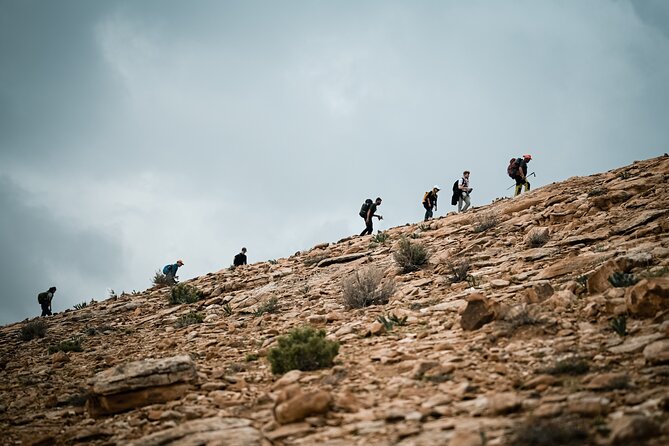
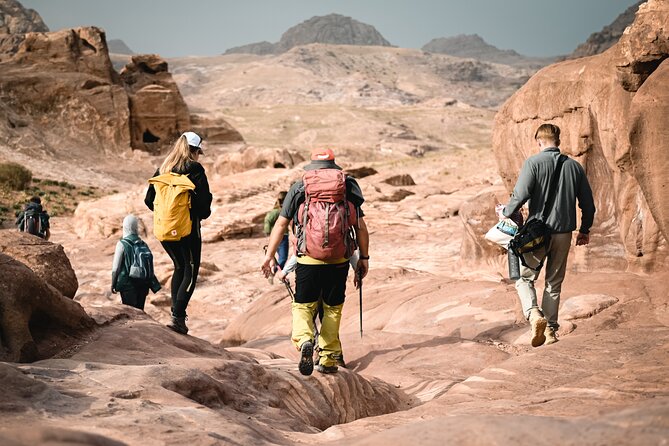
Two UNESCO sites, one rugged desert walk. This is a remote, off-the-beaten-path trek on the Jordan Trail that links Petra to the Wadi Rum Protected Area, with big desert views all along the way. You’ll move through sandstone mountains, dry valleys, and open sandy stretches where the terrain does the talking.
My favorite part is how much is handled for you. You get a local English-speaking hiking guide, pickup from your hotel in Wadi Musa to the trail start on day one, and transfers that include a day five jump from Hummeima to Wadi Rum. I also like that daily food is planned for you, with 5 breakfasts, 5 lunches, and 5 dinners included across the trek.
The one real consideration is the effort level. Day one is listed as difficult (24 km, 6 to 8 hours, with a big descent), and the route is remote, rugged, and not consistently waymarked (day two notes no waymarks). If you do not enjoy steep, rocky hiking, this may feel like a fight instead of fun.
In This Review
- Key things I’d clock before you go
- Petra To Wadi Rum on the Jordan Trail: The real point of this trip
- Day 1: Petra down into the quiet, then a remote campsite
- Day 2: Desert mountains and rocky valleys, with less navigation help
- Days 3: Wild desert mountains, then down toward the Jordan Valley
- Day 4: Colorful canyons, rock formations, and fun sand dunes
- Day 5: The long climb out of the Jordan Valley, then Abassiya to Wadi Rum
- Day 6: Wadi Rum Protected Area, then the trek ends
- Price and logistics: what $995 buys you, and what you still need
- Your guide and camp support: why it matters more than you think
- Who this trek is for, and who should rethink it
- Packing and pacing advice for a Petra to Wadi Rum trek
- Should you book the Petra to Wadi Rum trek?
- FAQ
- What are the dates and overall length of the trek?
- Where do I meet the group for the start?
- Where does the trek end?
- What level of fitness do I need?
- Is the trek route waymarked?
- What transportation is included?
- Are meals included?
- Is the Jordan Pass included?
Key things I’d clock before you go
- Remote Jordan Trail connection: Petra to Wadi Rum without the usual crowds.
- A guide who stays local: You hike with an English-speaking guide throughout.
- Food included every day: Breakfast, lunch, and dinner are covered on the trek nights.
- Mix of difficulty levels: One hard start day, then a mix of moderate and easier sections.
- Final transition into Wadi Rum: Jeep transfer after reaching Abassiya, then a calm Protected Area finish.
- Small group size: Maximum of 14 travelers.
Petra To Wadi Rum on the Jordan Trail: The real point of this trip
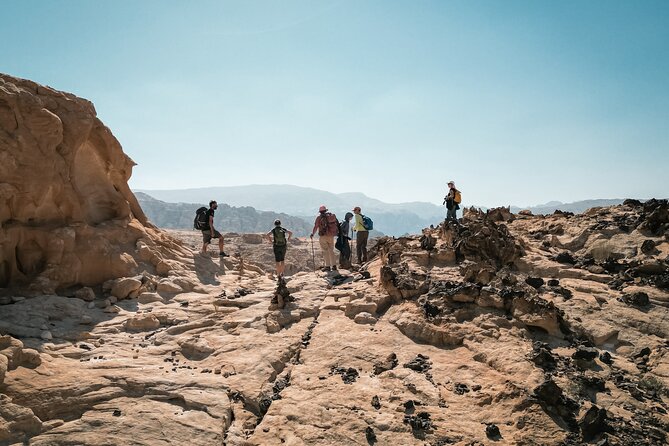
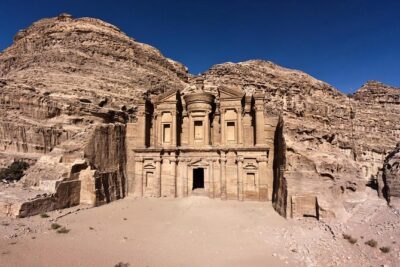
This trek is interesting for one main reason. You’re not just doing famous stops, you’re traveling between them on foot, through terrain that feels lived-in and wild. Petra is your historical anchor at the start, and Wadi Rum is your dramatic end, but the “main event” is the in-between.
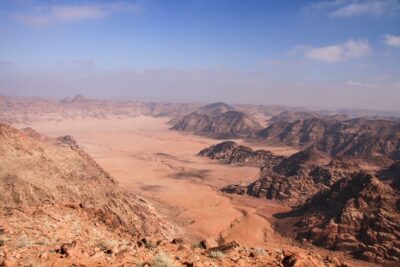
What makes it worth your time is the variety of what you walk through. Expect sandstone mountains and dry valleys, then lighter, sandy expanses that open up the sky. The route is described as visually stunning, and the best part is that the views are part of the work, not a side show.
You should also know the vibe. This is not a stroll. It’s rugged, remote hiking where you rely on your guide, your pacing, and the support crew.
More Hiking & Trekking in Wadi Rum
- Dana to Petra Trek + Wadi Rum & the Dead Sea – 9 Days
★ 5.0 · 165 reviews - Wadi Rum: Camel Trek Adventure
★ 5.0 · 19 reviews - Wadi Rum: Mountain Hike with Lunch & Scenic Valley Tour
★ 5.0 · 13 reviews
Day 1: Petra down into the quiet, then a remote campsite
You start at Petra early (meeting at the Petra Museum area) with a 7:30 am start. The day begins close enough to Petra’s main story to feel familiar, then you cut off the main trail and work away from the tourist crush while staying within the broader Nabatean settlement area.
Your hike drops in a big way: 24 km over about 6 to 8 hours, with 380 m ascent and 740 m descent. That’s a lot of downhill early, which can feel great for momentum, but it also means tired legs if you start too fast. I’d treat day one like a pace test and spend the first hours learning how your body handles rocks and slopes.
By the end of the day you reach a remote campsite. The included logistics matter here. You’re not walking with the stress of where you’ll sleep, and the planned accommodation for the five nights is part of why you can focus on the hike.
Day 2: Desert mountains and rocky valleys, with less navigation help
Day two runs 15 km, roughly 4 to 5 hours, and the official difficulty is easy for physical effort, with moderate trail challenge. That sounds like a breather, and in many ways it is. Still, moderate trail challenge means the ground can stay uneven or slow you down.
This is also the day that notes waymarked: no. You will rely more on your guide’s navigation and the route planning the team has set up. If you’re the type who loves to roam with a map, this is the opposite style, and it can actually be a relief to hand off navigation.
The scenery stays distinctly desert. You pass rural desert mountains and rocky valleys, with oleander plants mentioned along the route. Small details like that are part of what makes the hike feel real, not staged.
If you want a strategy for day two, I’d use it to reset your body. Walk steady, refill what you need, and save your energy for the middle days when the terrain keeps stacking up.
Days 3: Wild desert mountains, then down toward the Jordan Valley
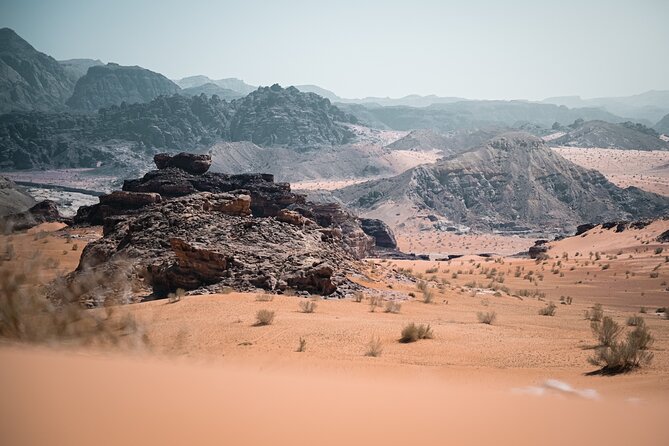
Day three continues south through wild desert mountains and desert valleys. The distance and timing are not listed in the info you shared, but the description is clear about the feel of the day: you’ll be working through dramatic terrain and then descending to reach camp near the Jordan Valley.
This is the day where the trek starts to feel more “journey” than “route.” You’re moving deeper into a landscape where the human footprint fades fast, and the horizon gets bigger. When you’re hiking in open terrain, wind and temperature shifts can matter more than you think, so don’t wait until you’re exhausted to reassess water and clothing.
Because the middle days aren’t just easy scenic walking, you’ll want to keep your routine simple. Eat when food is offered, drink on schedule, and do not try to win the day with a sprint.
A few more Petra days worth comparing
- Jordan Trail: Dana to Petra 4-Day Trekking Tour
★ 4.4 · 7 reviews - Petra Back-Road Trail and Hike
★ 4.0 · 5 reviews - Full Day Desert Tour, Jeep & Hiking
★ 5.0 · 98 reviews - From Amman: Wadi Mujib Siq Trail Private Hiking Tour
★ 4.9 · 36 reviews
Day 4: Colorful canyons, rock formations, and fun sand dunes
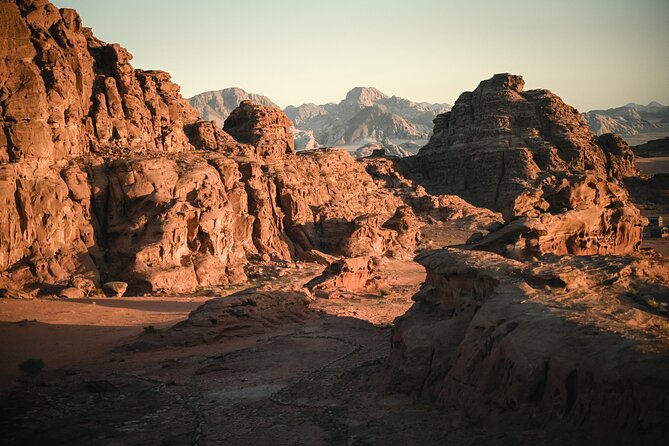
Day four adds variety with colorful canyons, rock formations, beautiful vistas, and sand dunes. The mix of up and downhills suggests it’s not a single-style day, so your legs will keep getting different challenges instead of one steady grind.
The day ends at a campsite in a “beautiful location,” which matters more than it sounds. On a remote trek, the end-of-day view is sometimes the difference between feeling tired and feeling satisfied. Having the evening lodging arranged means you can focus on getting to camp without mental fatigue.
I like that day four includes both harder moments and playful sand dunes. It’s a reminder that desert hiking is not only about climbing and descending. Sometimes it’s about learning how to move over sand without wasting energy.
If you’re planning gear, this day is where I’d pay attention to traction and shoe comfort. Sand and uneven ground can reveal blisters fast if your footwear is not already dialed in.
Day 5: The long climb out of the Jordan Valley, then Abassiya to Wadi Rum
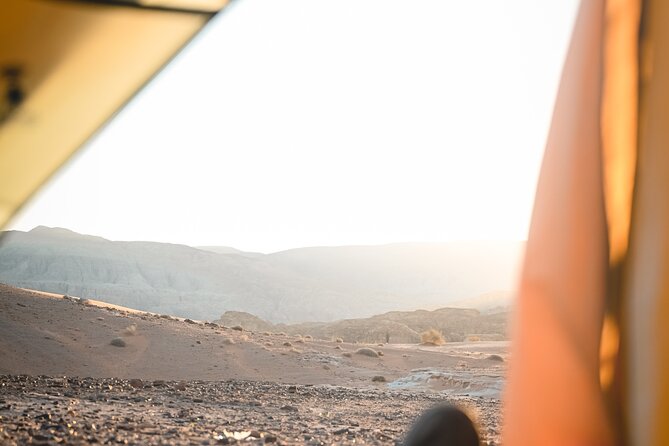
Day five is your last full hiking day, and it’s described as a long, gradual ascent out of the Jordan Valley. Gradual can still be draining. It can feel less intense than a steep climb, but it often lasts long enough to burn your energy if you keep stopping.
Later in the day you reach a desert plateau in the Wadi Rum area. Then the plan changes gear with a jeep transfer. After reaching the Bedouin village of Abassiya, you take a jeep to the Wadi Rum Protected Area.
That transition is one of the smart parts of this trek. It helps you avoid turning your arrival into another all-day grind, and it sets you up to enjoy Wadi Rum with fresh eyes. Wadi Rum is the famous finish for a reason, and you want that moment to feel like a reward, not just another checklist item.
Also note the time marker provided here: 6 hours is listed with the Wadi Rum Protected Area stop for this day. That hints that the day ends with meaningful travel and setup time, so plan to stay flexible and go with the flow.
Day 6: Wadi Rum Protected Area, then the trek ends
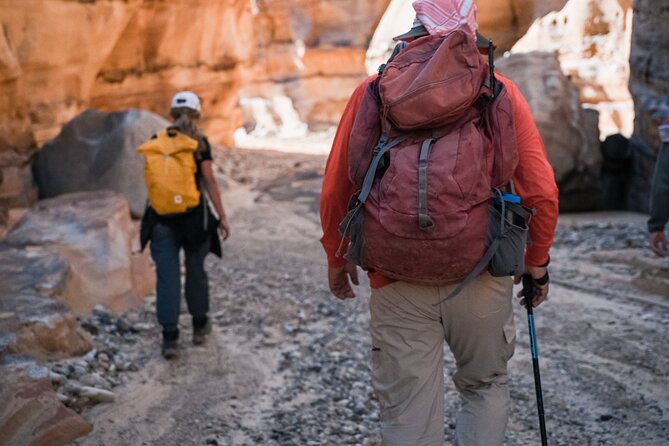
Your final morning is set in the Wadi Rum Protected Area. Expect red sand dunes, sandstone mountains, and rock formations, plus the calm that comes from being in a protected area.
The tour ends the morning after the hike at the Wadi Rum campsite. Some people like to extend their trip to Aqaba and the Red Sea, go to the Dead Sea, or head directly back to Amman. If you want options, the operator says they can arrange a private extension or help you choose what to do next.
This is also where small-group size and good planning show up again. When you finish on day six in one place, you can stop moving and actually enjoy what you earned. Wadi Rum is made for slow time.
Price and logistics: what $995 buys you, and what you still need
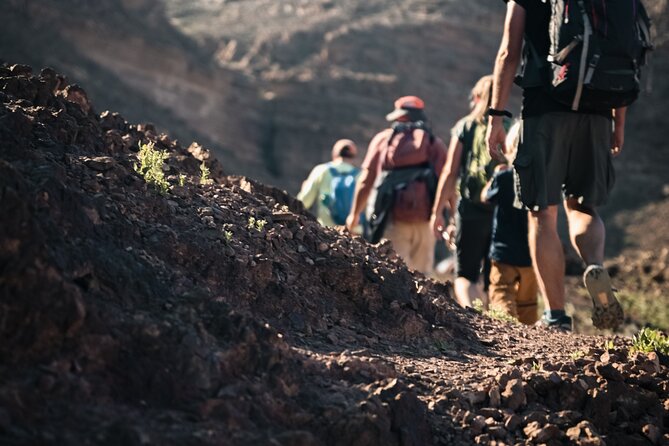
The price is $995 per person for approximately 6 days. For a remote multi-day trek, you should compare what’s included against what you’d otherwise have to book yourself.
Here’s what you do get:
- 5-nights accommodation included
- A local English-speaking hiking guide
- Hotel pickup in Wadi Musa to the trail start on day one
- A transfer from Hummeima to Wadi Rum on day five
- Meals: 5 dinners, 5 breakfasts, and 5 lunches
That package is meaningful value because the biggest pain in remote hiking is not the walk, it’s the logistics. You’re not juggling daily lodging, meal timing, or intercity transfers.
Here’s what is not included:
- Jordan Pass (needed for the entry fee to Wadi Rum)
- Tips
- Airport pickup and drop off
- Travel insurance
- Airfare
- Personal expenses
If you’re doing math for your whole trip, the Jordan Pass is the big swing item since it affects entry into Wadi Rum. Everything else you’d typically budget for on a guided trip anyway.
Also keep the small details in mind. Pickup is offered, and the tour uses a mobile ticket. That matters less on the hiking days, but it reduces stress when you’re trying to coordinate arrival and departure.
Your guide and camp support: why it matters more than you think
Even though this trek is about your footsteps, the human side is what makes a remote route feel safe and enjoyable. The experience provider is repeatedly praised for professional guides and organized support teams, and names like Furat Mai, Mahmood Attal, Raja, Habu el bedul, Motaz, and Mutaz show up in the feedback provided. The support crew at camp, including people like Hussain (abu Thayir) and Eid, also gets credit for how things run at night.
Now, that does not guarantee who you’ll personally hike with. But it does tell you the company has invested in guide quality and campsite operations, not just the marketing.
In practical terms, this matters on the tough days. When day one includes a long downhill and day two has no waymarks, you’re depending on your guide’s work. At camp, you’re depending on the team to handle setup and meal flow.
Who this trek is for, and who should rethink it
This is for you if you want an off-the-beaten-path trek with serious views and you can handle remote hiking. The info explicitly says travelers should have a strong physical fitness level. Day one is difficult, and day one is also the day you start with the most elevation change in the plan, including a steep descent component.
It also fits you if you want guided structure but still love nature. You’re not locked into a bus tour. You’re walking, making camp plans simple, and experiencing the desert on foot.
This is not ideal if you want easy walking or reliable trail signage. Day two notes waymarked: no, and the terrain is described as rugged throughout. If you’re recovering from injury, or if long hiking days make you miserable, you’d be happier with a gentler option.
For families, it might work depending on the teenager and the family fitness level. One family trek experience with an adventure hiking company partner highlighted safety and comfort on desert camp days. But you should still treat the official difficulty notes as your baseline.
Packing and pacing advice for a Petra to Wadi Rum trek
You’re dealing with desert heat and cool evenings in a remote setting, plus rocky and sandy sections. So pack for real hiking days, not museum days.
For pacing:
- Start day one controlled. Day one is 24 km and 6 to 8 hours with a heavy descent. Go slower than you think.
- Treat day two as recovery but not as a lazy walk. You still cover 15 km and lose navigation support.
- On sand dune sections day four, shorten your stride and keep your effort steady. Don’t fight the ground with big steps.
For packing:
- Bring layers. Desert conditions shift quickly.
- Prioritize footwear that’s comfortable on both rocky ground and sand.
- Bring enough water and stay on the schedule your guide recommends.
No gear list is provided in what you shared, so I’m keeping this general. But if you’re unsure, ask the operator what they recommend given the remote and rugged nature of the route.
Should you book the Petra to Wadi Rum trek?
I’d book this trek if you want a real hiking route between two of Jordan’s biggest names. The value comes from the way the logistics are handled, the steady guide support, and the fact that you’re not just sightseeing, you’re traveling through the desert on foot.
I’d think twice if you hate difficult downhill days, or if you need heavily waymarked trails. Day one is difficult, and day two is not waymarked, so comfort with remote navigation and uneven terrain is important.
If you’re physically ready and you want a desert experience that feels serious, this is a strong choice. And when you finish in Wadi Rum Protected Area on day six, you’ll have the kind of calm that only happens after a few days of purposeful walking.
FAQ
What are the dates and overall length of the trek?
The trek is listed as 6 days approximately, running from a 7:30 am start on day one to the tour ending the morning after the hike at the Wadi Rum campsite.
Where do I meet the group for the start?
The meeting point is Petra Museum, 8FG9+46R, Wadi Musa, Jordan.
Where does the trek end?
The trek ends at the Wadi Rum Protected Area.
What level of fitness do I need?
You should have a strong physical fitness level. Day one is described as difficult, and the route is also described as rugged and remote.
Is the trek route waymarked?
Day two specifically notes waymarked: no. The rest of the route does not state waymarking details in the information provided.
What transportation is included?
You get transfer from your hotel in Wadi Musa to the start point on day one, and a transfer from Hummeima to Wadi Rum on day five.
Are meals included?
Yes. Dinner is included for 5 days, plus breakfast and lunch for 5 days each.
Is the Jordan Pass included?
No. The Jordan Pass is not included, and it covers your entry fee to Wadi Rum.
Newest tours listed in Petra
- Transfer From Dead Sea To Petra★ 5.0 · 4 reviews
- Petra Day Tour from Dead Sea★ 5.0 · 6 reviews
- Petra Private Transfer to or from Dead Sea★ 5.0 · 5 reviews
- Petra Excursion from Dead Sea★ 5.0 · 8 reviews
- Private One Day Petra from Dead Sea with Hotel Pickup★ 5.0 · 6 reviews
- Cooking outside in little Petra between the Mountains.★ 5.0 · 6 reviews
- Dead sea to Petra★ 5.0 · 3 reviews
- Petra Private Guided Tour★ 5.0 · 4 reviews
Hiking & Trekking in Wadi Rum, compared.
Dana to Petra Trek + Wadi Rum & the Dead Sea – 9 Days
Read our review →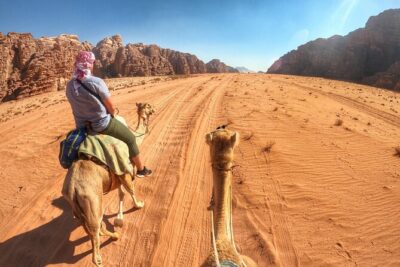
Half-Day Jeep and Hiking Bedouin Tour from Wadi Rum Village
Read our review →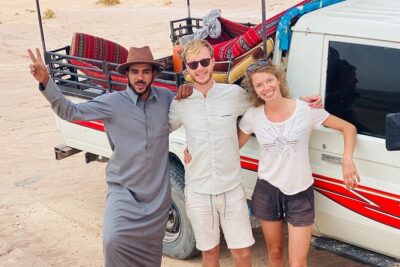
Wadi Rum Mountain Hike: Umm Ad Dami, highest point of Jordan + Jeep tour & Lunch
Read our review →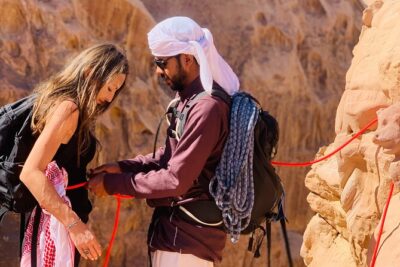
Wadi Rum Mountain Hike & Climb: Burdah, with a bridge at the top! + tour & Lunch
Read our review →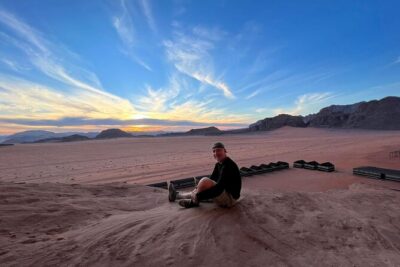
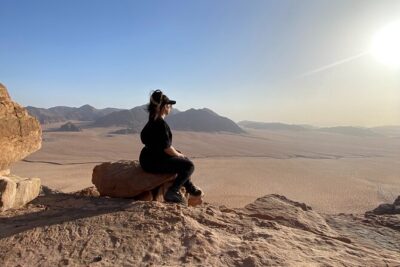
Wadi Rum Mountain Hike: Jebel Al Hash, overlooking Saudi Arabia! + tour & Lunch
Read our review →Browse the lists this tour appears in