Reviewed · PRIVATE
Exploring Shrines, Mosques, and Holy Landmarks Private Tour
A single day, ten sacred stories in Amman. I like how this private route connects shrines, mosques, and well-known holy landmarks, with hotel pickup and an English-speaking driver to keep the meaning clear. You get a structured day of spiritual stops without feeling rushed.
I also love the practical comfort built in, like bottled water and air-conditioned private transportation with on-board Wi-Fi. One thing to plan for: food is not included, and some site admissions are not covered unless you selected the right option or you have a Jordan Pass.
In This Review
- Key things I’d plan around
- How this Amman holy landmarks tour fits a 6 to 7 hour day
- Comfort, pickup, and Wi-Fi: the logistics that make the day feel lighter
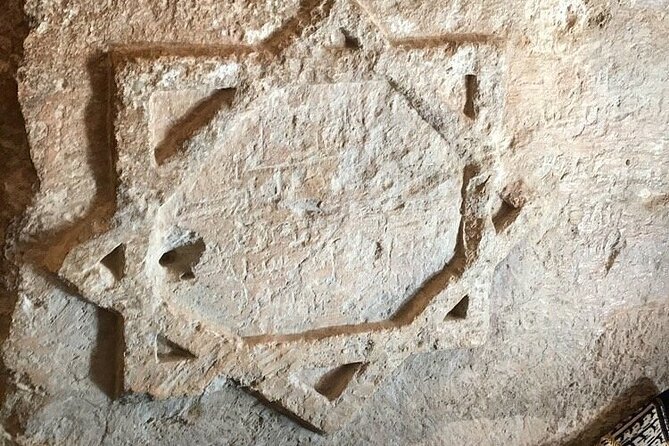
- Cave of the Seven Sleepers: start with the legend that shaped the tone
- Abu Darwish Mosque: the blue dome, the quiet interior, and Jabal Amman views
- King Abdullah Mosque and Grand Husseini Mosque: big prayer spaces in Amman
- King Abdullah Mosque (Al-Masjid Al-Malik Abdullah I)
- Grand Husseini Mosque (Downtown Amman)
- The Blessed Tree of Al Buqayawiyya: a slow pause in a sacred story
- Bilal bin Rabah Shrine: faith made personal
- Prophet Shoaib and Prophet Joshua shrines: two faith threads, one calm setting
- Prophet Shoaib Shrine (also called Mosque & Shrine of the Prophet Shuaib)
- Prophet Joshua’s Shrine (Joshua bin Nun)
- Price and tickets: why $62 can be good value, if you plan the admissions
- What to expect from the guide experience, and how to get more out of it
- Best fit: who should book this, and who might not love it
- Quick FAQ for planning your day
- FAQ
- How long is the Shrines, Mosques, and Holy Landmarks private tour?
- Is hotel pickup included?
- What’s included besides transportation?
- Are entrance tickets included for every stop?
- If I do not have a Jordan Pass, what happens?
- Is food included during the tour?
- Is this tour private?
- What is the cancellation rule?
- Should you book this Amman sacred landmarks tour?
Key things I’d plan around
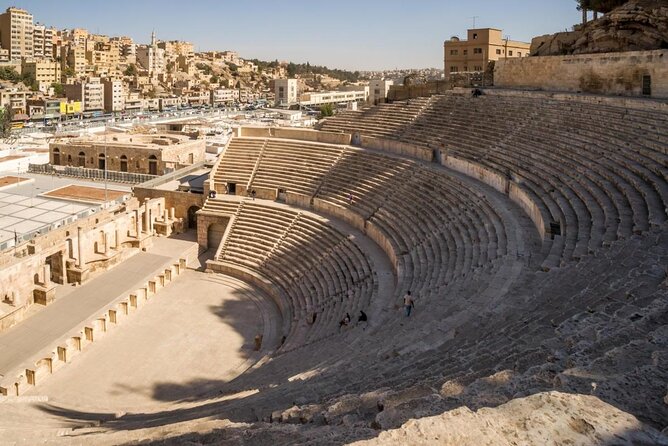
- Seven Sleepers Cave first, so you start with a legend that sets the tone for the whole day
- Iconic mosque architecture, including the blue dome look of Abu Darwish Mosque
- Big spiritual names, with stops honoring Bilal bin Rabah, Shuaib (Jethro), and Joshua bin Nun
- Admission rules vary by stop, so bring a plan for on-site payments if you do not have a Jordan Pass
- Comfortable pacing, short, focused visits at each location with pickup and door-to-door transport
How this Amman holy landmarks tour fits a 6 to 7 hour day
This is the kind of tour that works when you want spiritual landmarks and city highlights, but you do not want to manage logistics. The total time is about 6 to 7 hours, and it is designed as a smooth run of stops that you can do in one go from Amman.
Because it is private, you are not stuck waiting on other people to show up. Pickup is offered, and you ride in an air-conditioned vehicle with on-board Wi-Fi. Even if you only use it for a quick map check or to message friends, it takes the edge off a day that includes multiple locations.
Where this tour really earns its value is how each stop supports the theme. You are not just “seeing” sites. You are moving through places that connect Islamic tradition to local culture, and you get context as you go, especially from guides who are described as professional and strong on Islamic knowledge, with names like Brother Anas and Moe showing up in past feedback.
More things to do in Amman:
- Amman: Petra, Wadi Rum, and Dead Sea 2-Day Tour
★ 4.9 · 1,173 reviews - 2-Day Tour: Petra, Wadi Rum, and Dead Sea from Amman
★ 5.0 · 1,141 reviews - From Amman: Petra & Wadi Rum Private or group Day Tour
★ 4.9 · 750 reviews
Comfort, pickup, and Wi-Fi: the logistics that make the day feel lighter
A lot of one-day tours sound great on paper and then punish you in real life. Here, the practical stuff helps. Your day includes hotel pickup and private transportation, plus bottled water.
A key detail: the vehicle has on-board Wi-Fi. You may not think that matters, but it helps when you are traveling with family, checking directions for your next stop, or just taking care of small things so you can focus on the sites.
Another practical point is that this is run for a single group. You are not sharing your experience with strangers, even though group discounts are mentioned. In practice, that usually means the guide can adjust pacing for your questions and photo stops.
Cave of the Seven Sleepers: start with the legend that shaped the tone
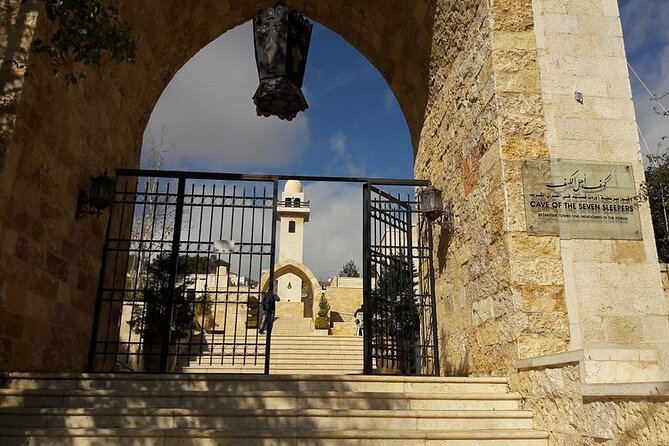
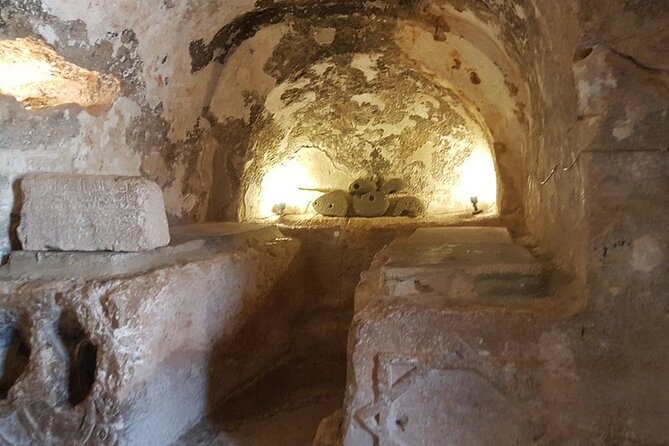
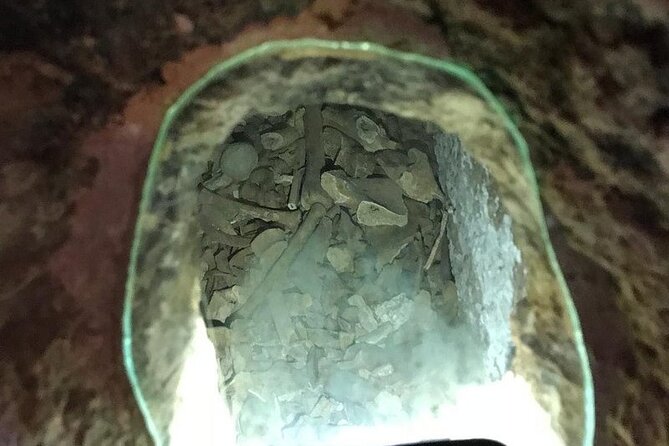
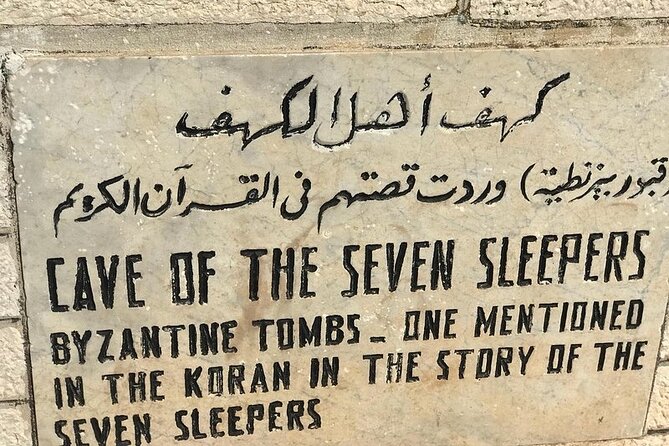
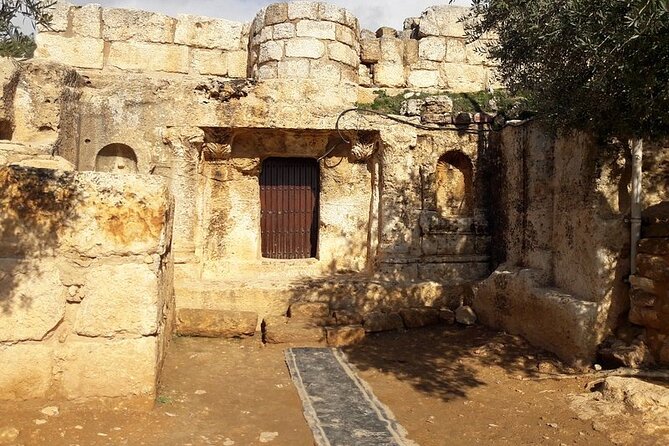
Your first stop is the Cave of the Seven Sleepers. This site is tied to a famous legend about a group of young men who sought refuge in a cave to escape persecution. The story is central to why the place is treated as a holy landmark, and that matters because it gives you a lens for what comes next.
Even if you do not know the full background before you arrive, the cave setting helps. The experience is not about long museum time or complex logistics. You typically have about 1 hour, and the admission note says it can be free if you selected the right option.
What I like about starting here is that it gives you a theme of protection, faith, and endurance. When you move from a place like this to mosques and shrines, the day feels connected instead of like separate errands.
Possible drawback: because this is a story-driven site, you will get the most from it if your driver or guide explains the legend clearly. If you want more context, ask right at the start. A good question is: what part of the Seven Sleepers story connects most closely to Islamic tradition versus local legend?
Abu Darwish Mosque: the blue dome, the quiet interior, and Jabal Amman views
Next up is Abu Darwish Mosque, known for its standout design, including a blue dome and intricate Islamic patterns. It sits in the Jabal Amman area, so there is a good chance you will be looking out over Amman at various points.
The time here is shorter, about 30 minutes, and the admission note says it can be free if you selected the option. Inside, the vibe is peaceful and reflective, with a spacious prayer hall. The mosque is also described as having ornate details like chandeliers, carpets, and Quranic inscriptions.
Why I think this stop is worth your time: it is one of those places where architecture does more than look pretty. It signals how faith, community, and art meet in daily life.
Practical tip: because the stop is brief, plan your photos fast at the right angles, then slow down for the interior. That is where the emotional tone shifts from sightseeing to respect.
A few more Amman days worth comparing
- 3-Day Private Tour from Amman: Petra, Wadi Rum, Dana, Aqaba, and Dead Sea
★ 5.0 · 425 reviews - Petra Full-Day Private Tour from Amman
★ 4.9 · 392 reviews - Dead Sea, Nebo, Madaba & Baptism Site Private or Group Tour
★ 4.9 · 190 reviews - Full-Day Private Trip To Petra, Wadi Rum
★ 5.0 · 186 reviews
King Abdullah Mosque and Grand Husseini Mosque: big prayer spaces in Amman
After the Abu Darwish stop, you move into two major mosque visits that each bring a different flavor.
King Abdullah Mosque (Al-Masjid Al-Malik Abdullah I)
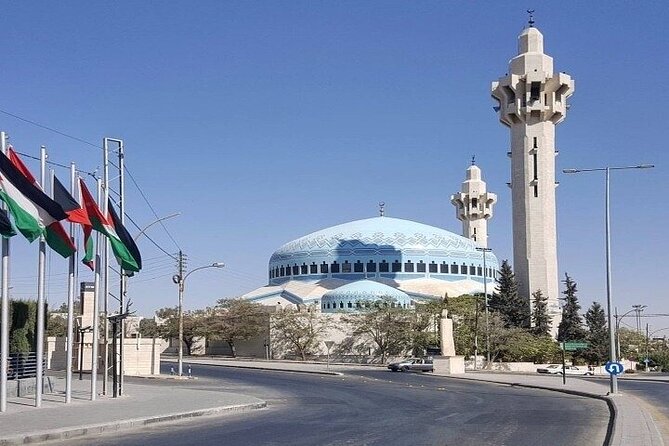
This mosque is named for the late King Abdullah I and blends traditional Islamic design with modern architecture. Expect a striking dome and minarets, plus a large capacity prayer space.
The admission note here says it is not included. In other words, you should be ready to pay on-site unless you have a Jordan Pass or selected the option that covers it.
The way past guests describe the experience is simple: you get a serene atmosphere for prayer and reflection, and it can also function as a cultural and educational hub.
Grand Husseini Mosque (Downtown Amman)
The Grand Husseini Mosque is in downtown Amman and is known for intricate geometric patterns and ornate calligraphy. Inside, it is described as peaceful, with decorative elements and chandeliers.
Time here is about 30 minutes, and again, admission is listed as not included.
What I like about hitting these two mosques back-to-back is how you see continuity. The details shift, but you get the same core message: these are living community spaces, not just monuments.
The Blessed Tree of Al Buqayawiyya: a slow pause in a sacred story
Then you go to the Tree of Al Buqayawiyya, often called the Blessed Tree. This is a centuries-old tree revered for spiritual significance and linked in tradition to the Prophet Muhammad.
You spend about 1 hour at this stop. The experience is meant to be quiet and reflective, and you learn about the tree’s role in local traditions, why it is symbolically important, and its status as a place of prayer and blessing.
The best part here is the pacing. After mosques with structured prayer areas, you get a different kind of sacred focus: a natural object treated with reverence.
Important note: admission is listed as not included for this stop, and it may require on-site payment unless you have a Jordan Pass. Also, because this is a tree shrine, you may find that the meaningful part is not the building, but the atmosphere. Give it time.
Bilal bin Rabah Shrine: faith made personal
The tour then shifts to the Shrine of Bilal bin Rabah, honoring one of Islam’s best-known early figures. Bilal bin Rabah is known as the first muezzin of Islam, chosen by the Prophet Muhammad to call to prayer.
You typically get about 30 minutes here. Admission is listed as not included, so again plan for on-site fees if you are not using Jordan Pass coverage.
Why this stop works emotionally: it turns the abstract idea of faith into a person with a specific role. If your guide explains the story of Bilal’s dedication, this can become one of the most memorable moments of the day. Past feedback repeatedly praises the quality of the Islamic explanations given at multiple stops, and that kind of narration fits this shrine especially well.
Prophet Shoaib and Prophet Joshua shrines: two faith threads, one calm setting
The final shrine stops are Prophet Shoaib Shrine and Prophet Joshua’s Shrine, both described as peaceful places for reflection and prayer.
Prophet Shoaib Shrine (also called Mosque & Shrine of the Prophet Shuaib)
This site honors Prophet Shuaib, a figure mentioned in both Islamic and Biblical traditions. The stop is about 30 minutes, with admission listed as not included.
The mosque is described as simple yet meaningful, and the shrine is set up for visitors to pay respects and connect with the shared religious context.
Prophet Joshua’s Shrine (Joshua bin Nun)
This honors Prophet Joshua bin Nun, tied to leading the Israelites into the Promised Land. The stop is also about 30 minutes, with admission listed as not included.
The mosque and surrounding area are described as serene, focused on worship and reflection. The architecture is described as simple, but the spiritual importance is clearly the point.
What you should know before you go: these are not high-energy “check the box” attractions. They are calm, respectful spaces. If you like quiet stops where you can slow down and absorb meaning, you’ll enjoy the ending of this day.
Price and tickets: why $62 can be good value, if you plan the admissions
The tour price is $62.00 per person, and it is often booked around 32 days in advance. For a private, multi-stop religious heritage route, that is fairly reasonable, especially because transportation and hotel pickup are included.
Here is the value equation:
- You are paying for private transportation plus an English-speaking driver.
- You get bottled water.
- You get the structure of multiple holy stops in one day, instead of hiring separate guides or spending time figuring out routes.
Where costs can change is admissions. Some stops list admission as free if you select the correct option, including the Seven Sleepers Cave and Abu Darwish Mosque. Other stops list admission as not included.
And here is the big rule: if you do not have a Jordan Pass, you should expect to pay on-site for the sites that are not covered. Tips are also not included.
My advice: before you confirm, read through which stops are covered by your chosen option and whether your plan includes Jordan Pass. That way, you avoid surprise fees at the end of the day when everyone is tired.
What to expect from the guide experience, and how to get more out of it
Even with private transportation, the tour’s “real product” is the explanation you receive at each stop. In past feedback, names like Brother Anas, Moe, Mumen, Yousef, and Mohamed come up, and the consistent theme is that the guides were professional, punctual, and strong on Islamic context.
You can take advantage of that without being shy. At your first stop, ask one question that relates to the day’s theme, like:
- What story connected to this site is most important in Islamic tradition?
- How does this shrine relate to the broader community here in Jordan?
Also, since some stops are short, ask for the “one thing to notice” at each one. That turns a 30-minute visit into something you remember.
Best fit: who should book this, and who might not love it
This tour is a great fit if you want:
- A one-day route of Islamic sacred sites around Amman
- A mix of mosques and shrine visits, not just one kind of attraction
- A calm, reflective pace with short visits at each stop
- English commentary that connects the sites to stories and tradition
You might think twice if:
- You hate religious sites and would rather focus on monuments and museums.
- You want meals included, because food and drinks are not included.
- You want everything prepaid, because several stops may require on-site payment depending on Jordan Pass coverage and selected options.
Quick FAQ for planning your day
FAQ
How long is the Shrines, Mosques, and Holy Landmarks private tour?
It lasts about 6 to 7 hours.
Is hotel pickup included?
Yes, pickup is offered and the tour includes private transportation with hotel pickup.
What’s included besides transportation?
The tour includes bottled water, private transportation in an air-conditioned vehicle (with on-board WiFi), and an English-speaking driver.
Are entrance tickets included for every stop?
No. Some stops note admission ticket free if you select the option, while others list admission as not included.
If I do not have a Jordan Pass, what happens?
If you do not have a Jordan Pass, you must pay on-site yourself for the places that are not included.
Is food included during the tour?
No. Breakfast, lunch, dinner, snacks, and drinks are not included.
Is this tour private?
Yes. It is a private tour/activity, so only your group participates.
What is the cancellation rule?
Free cancellation is available up to 24 hours in advance for a full refund.
Should you book this Amman sacred landmarks tour?
Yes, if your idea of a good day is meaningful places, not just photo stops. The combination of major mosques, the Seven Sleepers Cave, and the shrine visits to figures like Bilal bin Rabah, Shoaib, and Joshua bin Nun gives you variety without changing themes.
Just go in with two smart expectations. Plan for meals on your own, and double-check which admissions are included versus on-site payment, especially if you are not using a Jordan Pass. If you do that, $62 starts to look like real value for a private, story-driven day that feels organized from pickup to drop-off.
Newest tours listed in Amman
- Queen Alia Airport Transfers From / To Amman, Petra, Dead Sea.★ 5.0 · 3 reviews
- From Amman :Private full day tour to Jerash ,Ajoune and Um Qais★ 5.0 · 12 reviews
- 2-Day Private Tour in Jordan – Deluxe Tent★ 5.0 · 9 reviews
- FROM AMMAN | Petra & Wadi Rum in one day | The Jordanian Mappers★ 5.0 · 12 reviews
- airport pick up & transportations Services★ 5.0 · 15 reviews
- Dead Sea Half-Day Tour from Amman★ 5.0 · 8 reviews
- From Amman to West ( Madaba, Mt Nebo, baptism site and dead sea)★ 4.0 · 5 reviews
- NEOM Saudi Arabia Transfer from AMM Airport or Aqaba Airport AQJ★ 5.0 · 3 reviews
Private, compared.
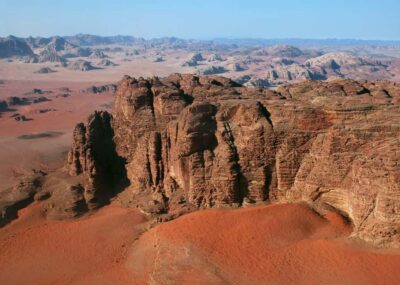
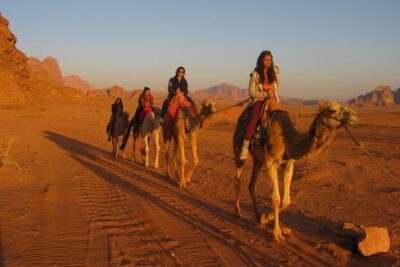
3-Day Private Tour from Amman: Petra, Wadi Rum, Dana, Aqaba, and Dead Sea
Read our review →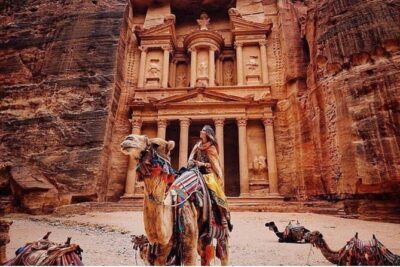
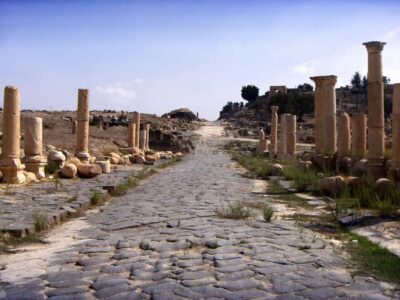
Petra & Wadi Rum: Full Day Private Tour with Hotel Pickup
Read our review →
Private Red Sea Diving for Beginner or Experienced
Read our review →
Dead Sea, Nebo, Madaba & Baptism Site Private or Group Tour
Read our review →