
Reviewed · WALKING TOURS
Day or Night Walking Tour in Downtown With Local
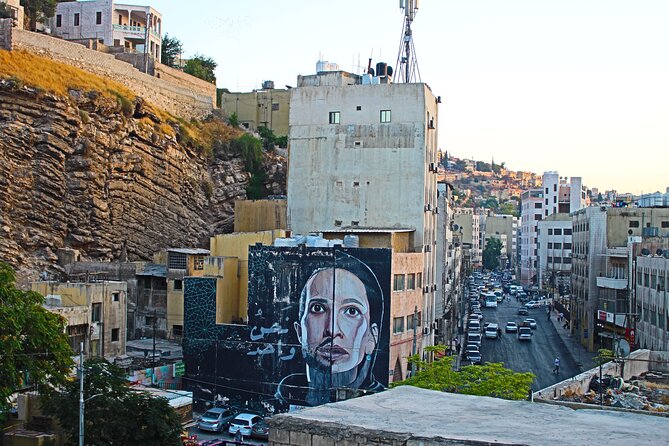
Amman tastes better on foot. This Downtown Amman walking tour mixes local food with real streets and history pointers, starting at the Grand Husseini Mosque and moving through the old markets and specialty shops. It can run as a day or night walk, and with a capped group size, it stays friendly and easy to ask questions.
I especially like the food rhythm. You’ll try Jordanian staples like Ka’ak and falafel, plus a classic finish with Kunafa from Habibah Sweets, made by the same family since the 1940s. The other big plus for me is the way the route connects daily life, from mosque to bakery to souqs, with a local guide who helps you read what you’re seeing.
One consideration: some headline sights tied to old Amman, like the Citadel and the Roman Theatre, are mentioned and passed by, not visited. If you’re hoping for museum-style entry stops, you’ll want to plan those separately.
In This Review
- Key things I’d mark before you go
- How a downtown food walk helps you understand Amman fast
- Starting at the Grand Husseini Mosque, then stepping into the souqs
- Al Balad markets and the bakery stop for Ka’ak and falafel
- Basman Street: spices, perfume making, and the shopping streets locals use
- Duke of Mukhyber’s Residence: a quiet, charming detour from the markets
- Habibah Sweets and Kunafa: the classic finish
- Price and value: what $24.99 buys you in real time
- Day or night matters for how you enjoy the streets
- The human side: guides like Orwah, Ibrahim, and Abed
- Should you book this Downtown Amman food walking tour?
- FAQ
- How long is the walking tour?
- Where does the tour start and end?
- Is the food included?
- What are the main stops during the walk?
- Are admission tickets included?
- How large is the group?
Key things I’d mark before you go
- Max 15 people keeps the pace personal and the guide easier to talk with
- Food samples included so you don’t spend time figuring out what to trust at each stop
- Grand Husseini Mosque plus downtown souqs gives you fast context for how Amman functions
- Basman Street shopping variety includes spices, perfume-making, clothing, and souvenirs
- Two short culture stops (Duke of Mukhyber’s residence and Habibah Sweets) add contrast to the markets
- Amman Citadel and Roman Theatre tips without entry if you want to add them on your own time
How a downtown food walk helps you understand Amman fast
This tour works because it’s built for orientation, not checklists. In about two hours, you walk through Downtown Amman’s older sections and specialty streets, while your local guide explains what you’re seeing and how locals use these places day to day. That makes it a great first-day activity, especially if you want to stop guessing and start recognizing patterns in the city.
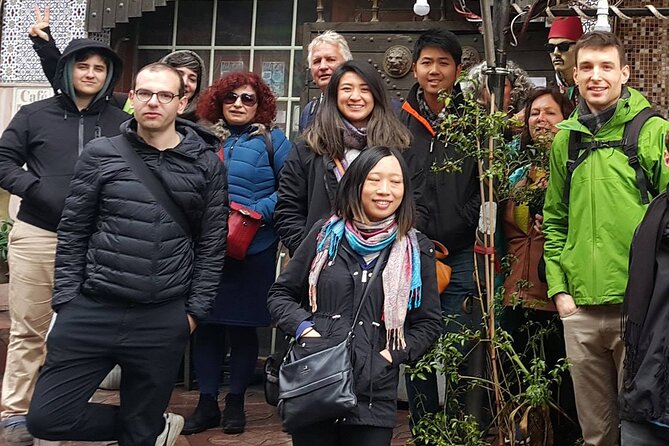
The group size matters. With a maximum of 15 people, the guide can actually keep an eye on the group, answer questions, and adjust the route if you’re more interested in food, shops, or the cultural side. I’ve found small groups usually feel calmer in market areas where everyone is trying to navigate stalls, smells, and side streets at once.
And yes, it is a walking tour. You’ll need decent, comfortable shoes. The route is designed for strolling, with multiple short stops instead of one long sit-down, so you’ll get momentum and variety without feeling like you’re dragging yourself through sightseeing.
A few more Amman days worth comparing
- Amman Walking Tour: Hidden Gems, Culture & Street Food
★ 5.0 · 241 reviews - Private Walking Tour in Amman With Local
★ 4.5 · 77 reviews - Amman Food Tours: 3-Hours Guided Walking Food Tour in Amman
★ 5.0 · 71 reviews
Starting at the Grand Husseini Mosque, then stepping into the souqs
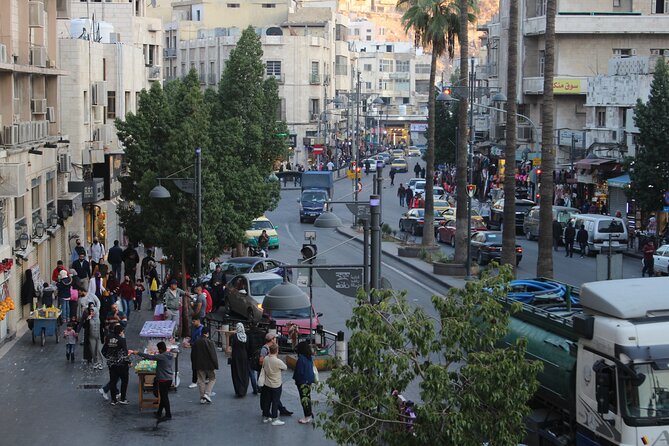
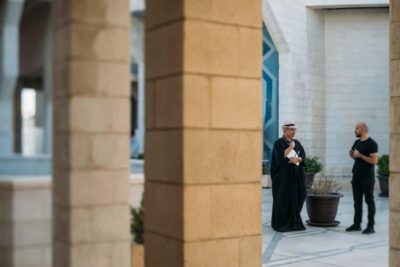
The walk begins near the Grand Husseini Mosque on K. Talal St. 1. This is one of the key downtown mosques, built in the early 20th century on the site of an older mosque. Your guide sets the scene with an introduction to Amman’s history and modern-day life, focusing on how the mosque fits into daily routine.
What I like here is that it’s not just a photo-op. You’re learning how religious and community spaces shape the way neighborhoods operate, and then you immediately transfer that context into the surrounding markets.
Right nearby are two named souqs that help you aim your shopping style:
- Souq Bukharia, a good place for souvenirs
- Souq Al-Sukar, known for fruit, vegetables, nuts, and spices
You’re not required to buy anything, but knowing what each area is best for makes your time feel efficient instead of wandering. The mosque stop itself is about 15 minutes, and the entry is free for this part of the tour.
Al Balad markets and the bakery stop for Ka’ak and falafel
From the mosque area, you move into Al Balad, the oldest section of Amman. Think markets that thread through older streets, where the city’s layers show up through commerce. Even though you’re on foot and moving along at a walking pace, the guide is pointing out how long-established areas still feel practical and lived-in.
This is also where you get the city-history anchor points. The tour advises that you visit Amman Citadel and the Roman Theatre on your own time because those are not included as entry stops during this walk. Still, you’ll pass by parts of what sits in the larger old Amman zone, including the Roman Nymphaeum.
That approach is smart if you want a taste of the story without trying to cram everything into one short tour. You leave knowing what’s worth adding later, and you get help with shortcuts to those places. That is useful if you’re short on energy or already have tickets lined up for another day.
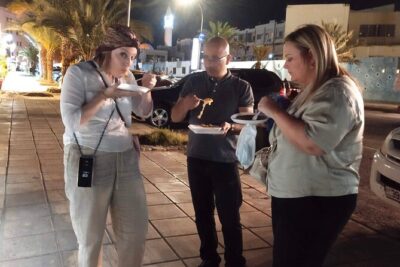
Then comes one of the most practical parts: a quick snack at a traditional Jordanian bakery. This is where you’ll sample local street-food favorites, typically Ka’ak (sesame bread) or a falafel sandwich. Since the tour includes food samples, you can focus on tasting and learning rather than debating where to eat next.
Basman Street: spices, perfume making, and the shopping streets locals use
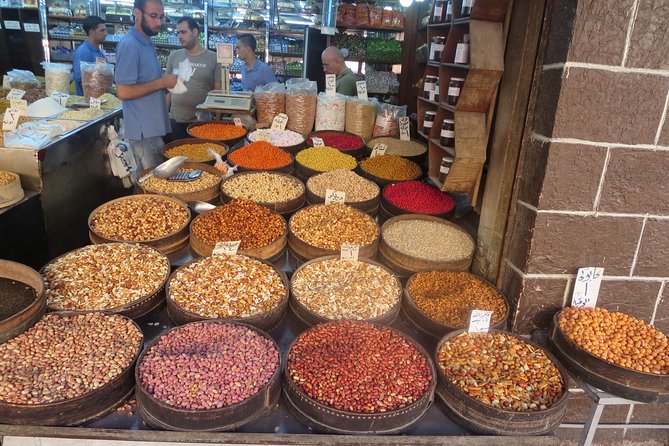
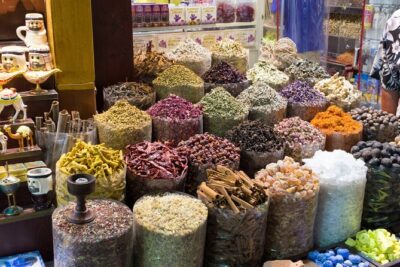
Next you reach Basman Street, a stretch designed for getting close to downtown shop life. This isn’t a sterile shopping mall route. You’ll pass many different kinds of stalls and storefronts, from spice shops to traditional clothing and souvenir areas. One of the more memorable details here is that you can see options around making perfume, which adds a hands-on feel to a street known for specialty goods.
Your guide also steers you through some of the named market areas you’ll likely hear about on any downtown stroll:
- Gold Souk
- Spice Market
- Fruit and Vegetable Market
Even if you’re not shopping heavily, I like this stop because it trains your eye. You start noticing how products are grouped, how sellers talk about quality, and how the street layout supports quick browsing. When you have a local guide, you also avoid getting stuck in the wrong direction when a street branches into a small maze of stalls.
The Basman Street portion is about 25 minutes, and it’s designed to be enough time to feel the vibe and try to understand what each area specializes in, without turning the tour into a long shopping detour.
More things to do in Amman:
- Amman: Petra, Wadi Rum, and Dead Sea 2-Day Tour
★ 4.9 · 1,173 reviews - 2-Day Tour: Petra, Wadi Rum, and Dead Sea from Amman
★ 5.0 · 1,141 reviews - From Amman: Petra & Wadi Rum Private or group Day Tour
★ 4.9 · 750 reviews - From Amman: Petra and Wadi rum Full day Tour
★ 5.0 · 538 reviews
Duke of Mukhyber’s Residence: a quiet, charming detour from the markets
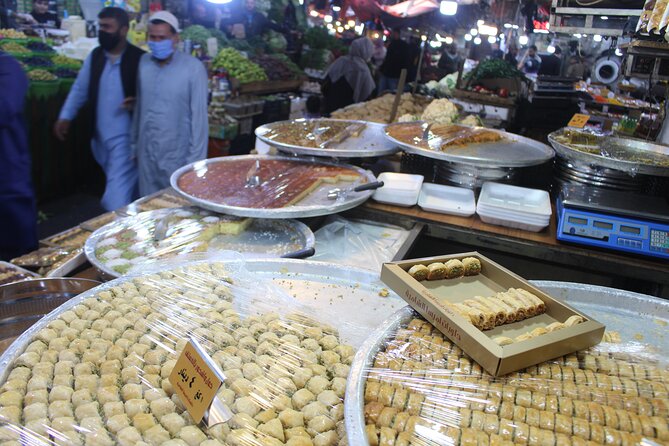
After the busier market streets, the tour shifts mood at the Duke of Mukhyber’s Residence. This historic townhouse was built in 1924. It has served different civic roles over the years, including Amman’s first post office, the Ministry of Finance, and later a hotel.
Today, it’s restored with period furnishings by a prominent Jordanian businessman who is also the duke of the village of Mukhaybeh. What makes this stop feel worthwhile is the way it adds depth to the walk without taking over your whole afternoon. You’re still on foot and still moving through central downtown, but you get a breather where the guide can connect architecture and past functions to how the city evolved.
You’ll also see old photos of Amman. In the context of market streets, those photos become more than decoration. They help you picture what “downtown” meant in earlier decades, before cars, storefront styles, and signage looked the way they do now.
Time-wise, it’s about 20 minutes, and it’s described as underplayed but charming, which is exactly what I want from a mid-tour culture stop. It gives contrast, and it doesn’t feel like you’re being forced into a full museum visit.
Habibah Sweets and Kunafa: the classic finish
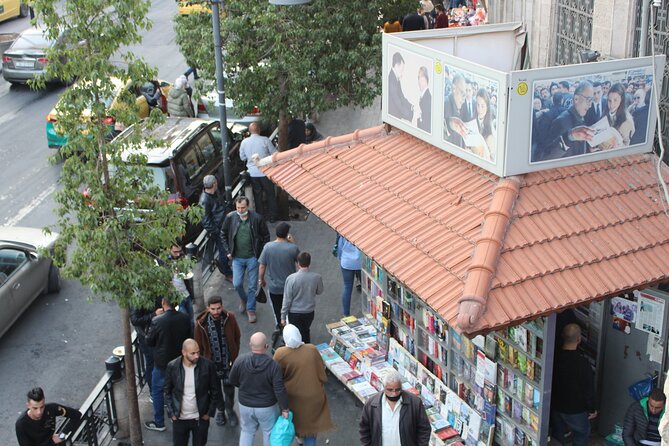
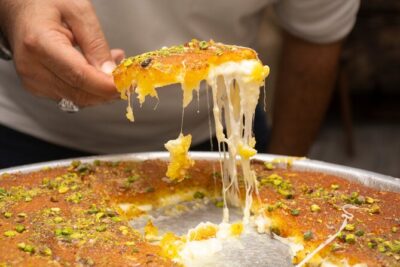
The final taste is at Habibah Sweets in Downtown Amman, where you’ll try kunafa. This is the kind of dessert that makes sense as a tour ending because it’s something you can instantly recognize as special, sweet, and local without needing heavy explanation to enjoy it.
Here’s the detail I liked most: it’s made by the Habibah family, producing sweets since the 1940s. That kind of long continuity matters. It suggests the flavors and methods have been tested by generations of customers, not just a short-lived trend.
This stop is about 15 minutes, and it’s admission-free. For me, it’s a perfect landing point because your head is full after a couple of market stops and a historic building, and the dessert gives you a clear, satisfying memory to take home.
Price and value: what $24.99 buys you in real time
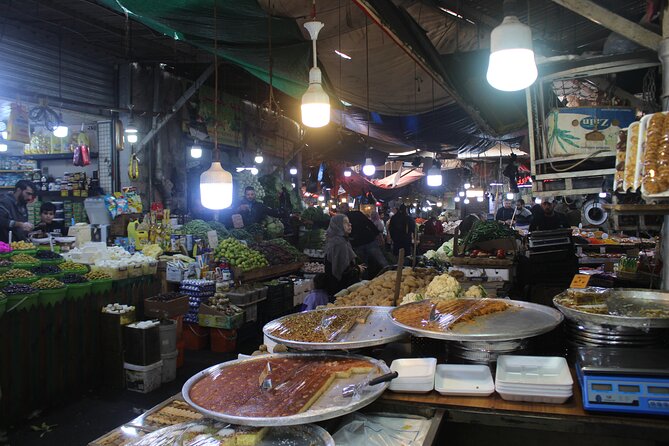
At $24.99 per person, this tour sits in the category of affordable guided experiences. The real value comes from what’s included, not just the sticker price.
Included in the cost:
- registration fees
- pickup from the starting point
- food samples along the tour
- a private local guide
That matters in Amman because the guided portion is the part that saves you time and helps you make sense of the streets. Food samples are also a practical advantage. Instead of committing to a full meal on day one and hoping you picked well, you get multiple small tastes across different stops.
What’s not included:
- tips for your guide
- personal expenses
- transportation
The tour is also capped at 15 people, which usually means you’re paying for more than a free-for-all walk. When I see a small cap and food samples bundled, I read it as a sign the experience is meant to feel structured.
Also, it’s popular enough that it’s commonly booked about 21 days in advance. That doesn’t automatically mean it’s perfect, but it does suggest you’ll get better odds of lining up your preferred slot if you book early.
Day or night matters for how you enjoy the streets
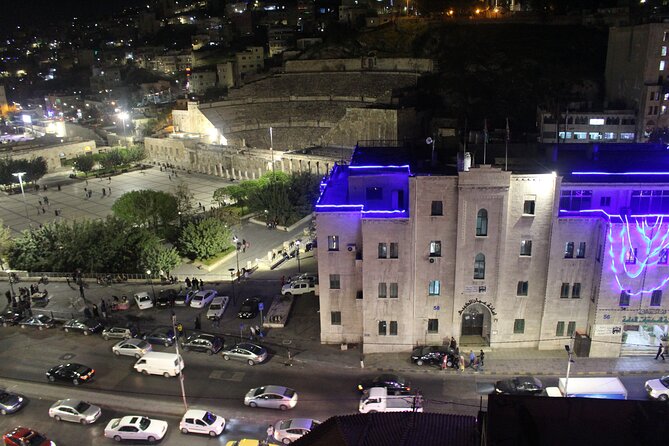
The tour can run as a day or night walk, and your guide will adjust the route based on preferences and interests. Practically, I’d choose day if you want easier navigation through busy market lanes and you care most about seeing shops clearly. Night can feel better if you like the after-work energy of downtown and you want the streets to feel more atmospheric.
Either way, you’re still walking the same core area and tasting similar items, with the guide acting as your interpreter in real time.
The human side: guides like Orwah, Ibrahim, and Abed
What consistently shows up in the reviews is the impact of the guide. People specifically praise guides such as Orwah, Ibrahim, and Abed for friendly interaction, strong storytelling, and asking-and-answering that makes the tour feel like more than a route on a map.
One review singled out Orwah as friendly and enthusiastic, with lots of knowledge and a pace that felt right. Another praised Ibrahim for showing places people would not find alone and explaining cultural links. Abed also received credit for communication and for making the walk feel like a good way to end a holiday, with helpful food and drink stops.
At the same time, there is one kind of issue that you should take seriously even if it sounds rare. One unhappy review described conflict around tipping, plus a guide asking for extra payment, leading the guest to leave. The company responded that it was a misunderstanding and that they issued a full refund for the payment in that case. Another review said a guide changed the meeting point and wanted a tip before the tour, and the customer left due to safety concerns.
I’m not saying this is common. But I do think it’s worth a practical tip: if tipping ever comes up, keep it clear that the tour price already covers the included parts, and handle tip discussions calmly and only if they’re in line with what you understand from your booking.
Should you book this Downtown Amman food walking tour?
Book it if:
- you want a guided introduction to Downtown Amman in about two hours
- you like market walking and want help navigating souqs like Gold Souk and Spice Market
- you want included tastings, especially Ka’ak or falafel and a kunafa stop
- you’d rather see more streets with a guide than spend your time figuring out where to go next
Skip it or plan something else if:
- you’re expecting entry visits to major old Amman sights like the Citadel and the Roman Theatre, because this walk does not include those as stops
- you want a long, sit-down history lesson or a museum-style itinerary
- you dislike walking through shopping areas, even when the stops are short and varied
If you’re weighing it for your first day, I’d lean yes. You’ll leave with a working sense of where the key downtown areas are, what to prioritize next, and a handful of foods you’ll actually remember.
FAQ
How long is the walking tour?
It lasts about 2 hours on foot.
Where does the tour start and end?
It starts at Grand Husseini Mosque on K. Talal St. 1, Amman. It ends back at the same meeting point.
Is the food included?
Yes. You get food samples along the tour, including items like Ka’ak or falafel at a traditional bakery and kunafa at Habibah Sweets.
What are the main stops during the walk?
The route includes Grand Husseini Mosque, Al Balad downtown markets, Basman Street shopping areas, Duke of Mukhyber’s Residence, and a sweet tasting at Habibah Sweets.
Are admission tickets included?
Admission tickets are free for the listed stops in the tour details, including the mosque stop.
How large is the group?
The tour caps at a maximum of 15 travelers.
Newest tours listed in Amman
- Queen Alia Airport Transfers From / To Amman, Petra, Dead Sea.★ 5.0 · 3 reviews
- From Amman :Private full day tour to Jerash ,Ajoune and Um Qais★ 5.0 · 12 reviews
- 2-Day Private Tour in Jordan – Deluxe Tent★ 5.0 · 9 reviews
- FROM AMMAN | Petra & Wadi Rum in one day | The Jordanian Mappers★ 5.0 · 12 reviews
- airport pick up & transportations Services★ 5.0 · 15 reviews
- Dead Sea Half-Day Tour from Amman★ 5.0 · 8 reviews
- From Amman to West ( Madaba, Mt Nebo, baptism site and dead sea)★ 4.0 · 5 reviews
- NEOM Saudi Arabia Transfer from AMM Airport or Aqaba Airport AQJ★ 5.0 · 3 reviews
Walking Tours, compared.
Amman Walking Tour: Hidden Gems, Culture & Street Food
Read our review →
Amman Food Tours: 3-Hours Guided Walking Food Tour in Amman
Read our review →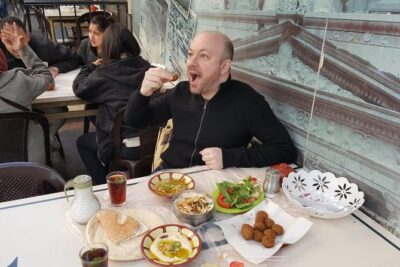
Private Street Food and Walking Tour Amman Downtown
Read our review →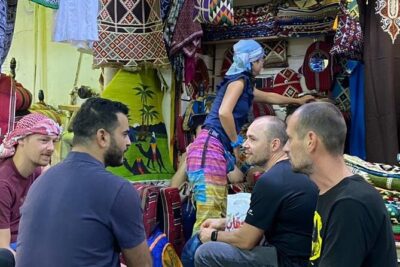
Walking Tour, Visit the Old Town and Markets, Taste Food
Read our review →
Browse the lists this tour appears in